Cambodia is a captivating destination known for its rich history, vibrant culture, and stunning landscapes. To ensure a seamless and enjoyable journey, here are essential travel tips every visitor should know:
1. Best Time to Visit Cambodia
The best time to visit Cambodia is during the dry season (November to April) when temperatures are cooler, and rainfall is minimal. This is the peak tourist season, ideal for exploring attractions like Angkor Wat and Phnom Penh.
November to February: Cool and pleasant weather, perfect for outdoor activities.
March to April: Warmer temperatures but still relatively dry, suitable for coastal visits.
Monsoon Season (May to October): Lush landscapes but heavy rains. Travelers seeking fewer crowds and lower costs might consider this time.
2. Cambodia eVisa Information
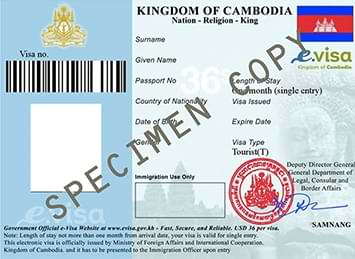
Obtaining a Cambodia eVisa is a straightforward process designed for convenience:
Eligibility: Most nationalities can apply online.
Validity: The eVisa allows a 30-day stay and is valid for tourism purposes only.
Entry Points: Accepted at key locations such as Phnom Penh International Airport, Siem Reap International Airport, and some land borders with Thailand, Laos, and Vietnam.
Fill out the online form and upload a passport-sized photo.
Pay the fee using a credit card or other available options.
Receive your eVisa via email within 3–5 business days.
3. Health and Safety
Vaccinations: Recommended vaccinations include Hepatitis A, Typhoid, and Malaria, depending on the areas you plan to visit.
Food and Water Safety: Drink bottled or filtered water and eat at reputable establishments.
First Aid: Carry a basic first-aid kit, including medication for common ailments like diarrhea and colds.
Emergency Tips: Know the location of nearby clinics and hospitals. Major cities have international-standard medical facilities.
4. Currency and Payments
The official currency is the Cambodian Riel (KHR), but US Dollars are widely accepted.
Use small denominations of USD for convenience.
Keep local currency for small transactions in rural areas.
ATMs are available in urban centers, but carry cash for remote areas.
Credit cards are accepted in major hotels and restaurants, but smaller establishments may prefer cash.
5. Cultural Practices and Etiquette
Cambodia’s rich cultural heritage is reflected in its traditions and social norms.
Dress Code: Modesty is essential, especially when visiting temples. Cover shoulders and knees.
Greetings: The traditional Cambodian greeting is the Sampeah, where palms are pressed together in a prayer-like gesture.
Respect for Religion:
Remove shoes before entering religious sites.
Do not touch sacred objects or climb on ancient ruins.
Social Norms: Avoid public displays of affection, and always use your right hand when giving or receiving items.
6. Transportation Tips
Getting around Cambodia is part of the adventure.
City Transport:
Tuk-tuks: Popular and affordable for short distances.
Ride-Hailing Apps: Options like Grab are available in larger cities.
Long-Distance Travel:
Buses: Budget-friendly for intercity travel, with options for VIP services.
Private Cars: Convenient for families or groups.
Domestic Flights: Quick travel between Phnom Penh, Siem Reap, and Sihanoukville.
Cycling: Ideal for exploring Angkor Archaeological Park and rural areas.
7. Language and Communication
The official language is Khmer. While English is spoken in urban and tourist areas, learning a few basic Khmer phrases can be helpful and appreciated by locals.
8. Must-Visit Attractions
Cambodia boasts a wealth of cultural and natural attractions:
Angkor Wat: The largest religious monument in the world, a UNESCO World Heritage Site.
Phnom Penh:
Royal Palace: A stunning example of Khmer architecture.
Tuol Sleng Genocide Museum: A somber look at Cambodia’s history under the Khmer Rouge.
Sihanoukville: White sandy beaches and access to islands like Koh Rong.
Battambang: Famous for its bamboo train and rural charm.
Tonle Sap Lake: Explore floating villages and unique ecosystems.
9. Local Food and Cuisine
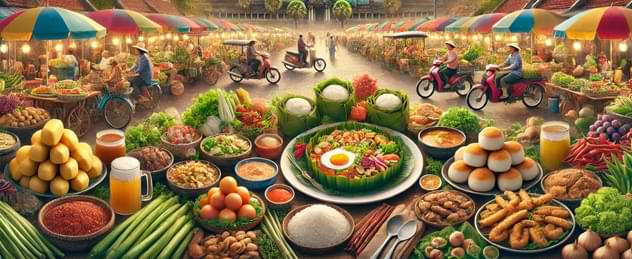
Cambodian cuisine is a delightful mix of flavors, often overshadowed by its neighbors but equally impressive:
Signature Dishes:
Fish Amok: A creamy coconut curry often served in banana leaves.
Lok Lak: Stir-fried beef with a tangy lime-pepper sauce.
Nom Banh Chok: A traditional rice noodle dish with fish-based curry.
Street Food: Try snacks like fried tarantulas or fruit shakes at local markets.
Dining Tips: Stick to busy stalls to ensure freshness and always wash hands or use sanitizer before meals.
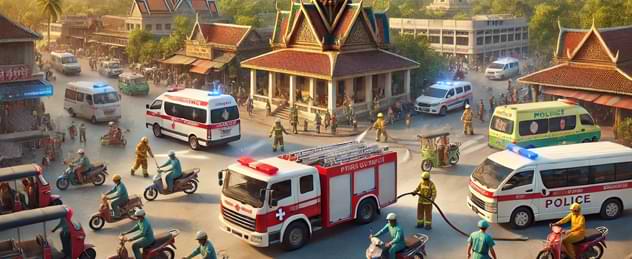
10. Emergency Contact Numbers
Police: 117
Ambulance: 119
Tourist Police: 118
Embassy Contacts: Keep the contact details of your country’s embassy or consulate in Cambodia.
By following these tips, you can make the most of your trip to Cambodia, ensuring a memorable and hassle-free experience. Plan ahead and embrace the adventure!
Explore Essential Information for Your Cambodia eVisa